


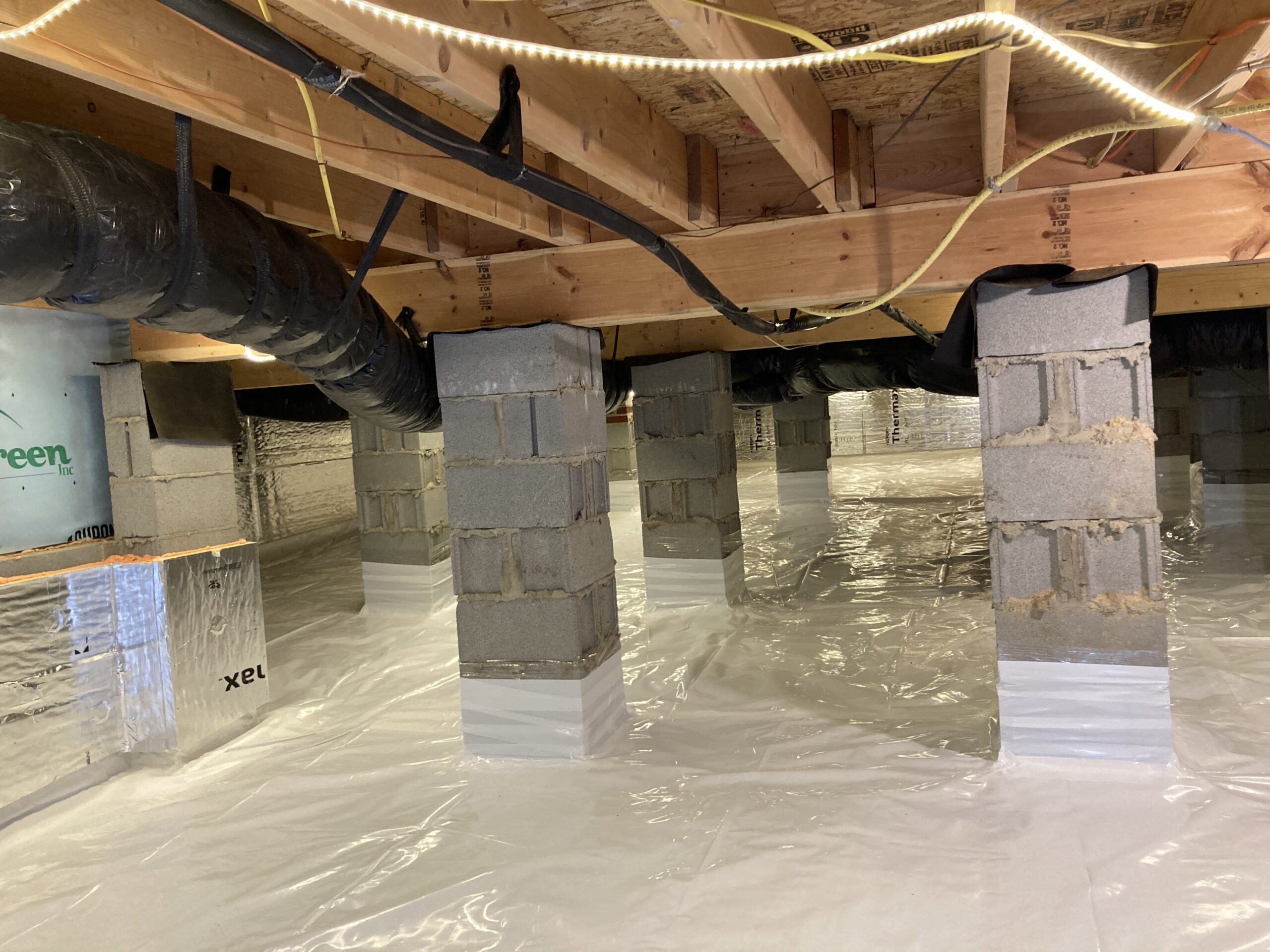
If you own a home in Raleigh’s Historic Oakwood neighborhood, you already know what makes it special. The sweeping front porches, the ornate Victorian millwork, the Craftsman bungalows tucked beneath old-growth oaks — Oakwood is one of the most architecturally distinctive neighborhoods in the entire Triangle. Homes here were built with pride and craftsmanship, and many have stood for well over a century.
But beneath those beautiful hardwood floors and original heart-pine joists lies a crawl space that was designed for a very different era — one that predates modern building science, sealed foundations, and the moisture challenges that come with North Carolina’s notoriously humid summers. And if that crawl space hasn’t been addressed recently, it may be quietly working against everything you love about your home.
“The older the home, the more likely it was built with an open, vented crawl space. That was the standard for a hundred years — and by today’s standards, it’s a recipe for moisture damage.”
Why Oakwood’s Age Is a Crawl Space Risk Factor
Most homes in Historic Oakwood were constructed between the 1880s and the 1940s. At the time, building codes across the South called for vented crawl spaces — foundation designs with open vents along the perimeter walls intended to allow airflow and prevent moisture buildup. For decades, this was considered best practice.
The problem? Vented crawl spaces in humid climates like Raleigh’s don’t actually dry out. They do the opposite. When warm, moisture-laden summer air flows in through those foundation vents, it hits the cooler surfaces inside the crawl space — the soil, the concrete blocks, the floor joists above — and condenses into liquid water. Repeat that process day after day from April through September, and you have a persistently damp environment underneath your home.
In a neighborhood like Oakwood, with its dense tree canopy shading the ground and its proximity to Raleigh’s urban core, that moisture has nowhere to go. And over months and years, that trapped humidity causes real damage.
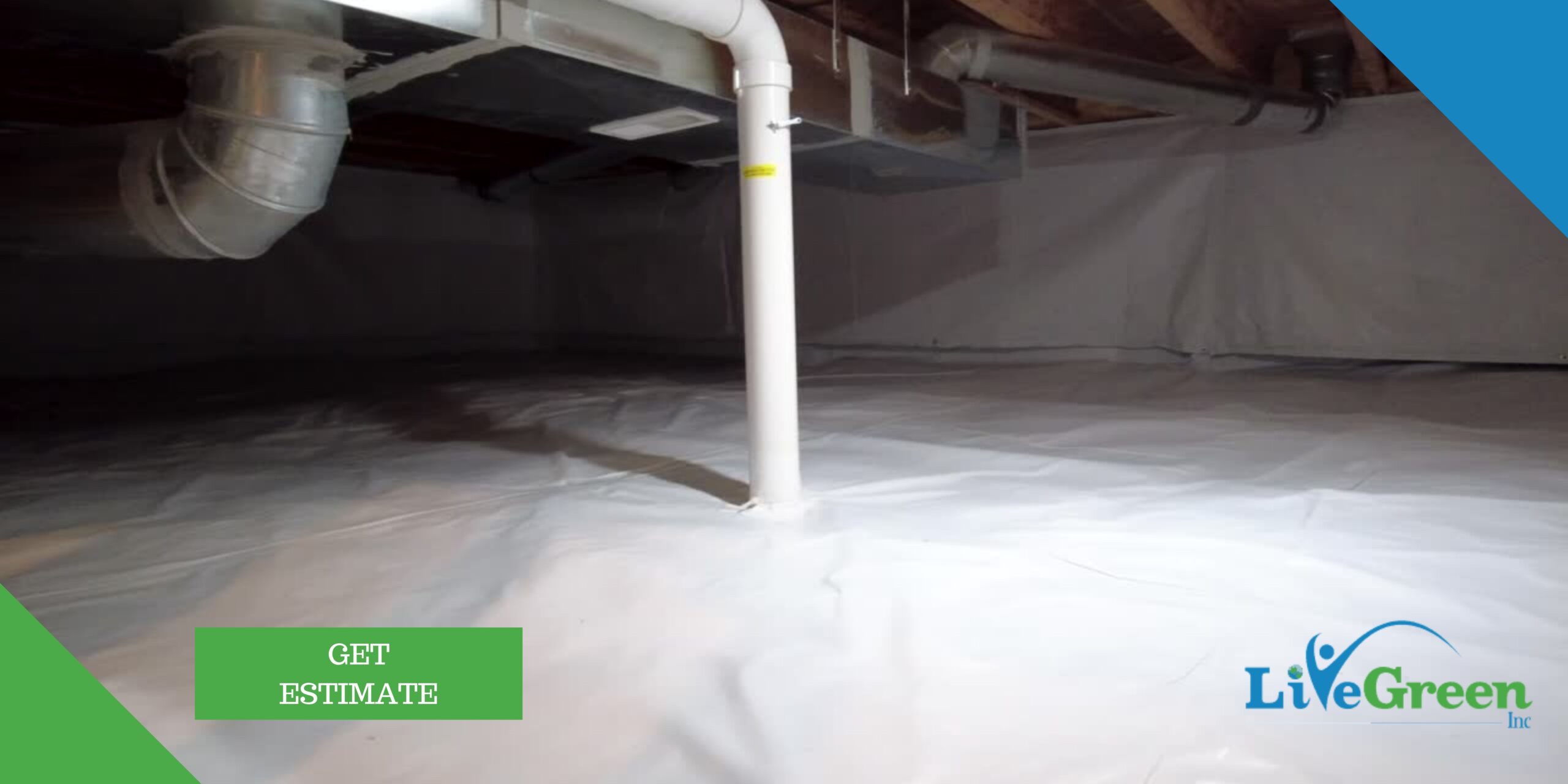
A properly installed vapor barrier seals out ground moisture — the first line of defense in any encapsulation system.
What Moisture Does to a 100-Year-Old Home
Historic Oakwood homes were built to last — and many have. But wood that has been exposed to chronic moisture for decades is wood that is quietly deteriorating. Here’s what we typically find when we inspect crawl spaces beneath Oakwood-era homes:
Common Crawl Space Problems in Historic Raleigh Homes
- Wood rot in floor joists and beams — The structural members that hold up your floors and walls are made of wood. Sustained moisture softens and rots them from the outside in, often invisibly until the damage is severe.
- Mold and mildew growth — Mold doesn’t need much: just moisture, organic material (wood), and time. Once established beneath your home, mold spores rise into your living spaces through gaps in the floor.
- Musty odors throughout the home — That persistent musty smell many older Raleigh homeowners accept as “just part of an old house” is almost always crawl space air infiltrating the living area.
- High indoor humidity and allergy symptoms — Studies show up to 50% of the air you breathe on your first floor comes from your crawl space. Mold spores, dust mites, and damp air all travel upward.
- Cold, uncomfortable floors in winter — Uninsulated crawl spaces mean the cold ground directly chills your floors and drives up heating costs every winter.
- Pest and rodent entry points — Damp, dark, and accessible: an open crawl space is an ideal habitat for rodents, termites, and insects. Wood rot accelerates this problem significantly.
None of these problems are unique to Oakwood, but they are especially common in homes of this age. The original builders did excellent work above ground — but what’s happening below ground has often gone unaddressed for generations.
What Crawl Space Encapsulation Actually Does
Crawl space encapsulation is the process of completely sealing your crawl space from outside air and ground moisture. Rather than allowing outside air to flow through vents, a sealed system creates a conditioned, controlled environment beneath your home — one that stays dry year-round, regardless of what’s happening above ground.
A full encapsulation system from LiveGreen Inc typically includes:
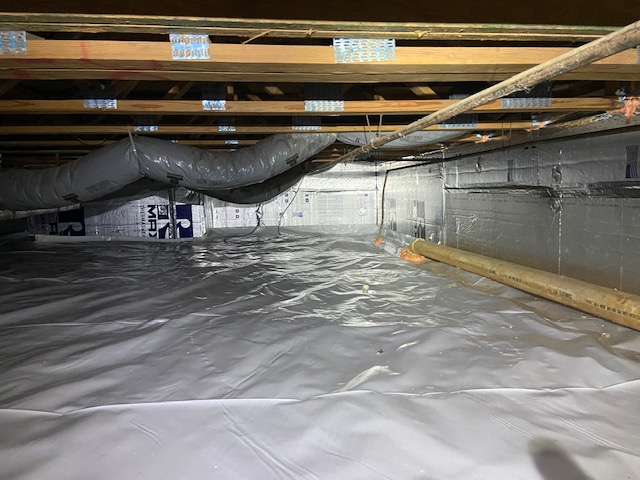
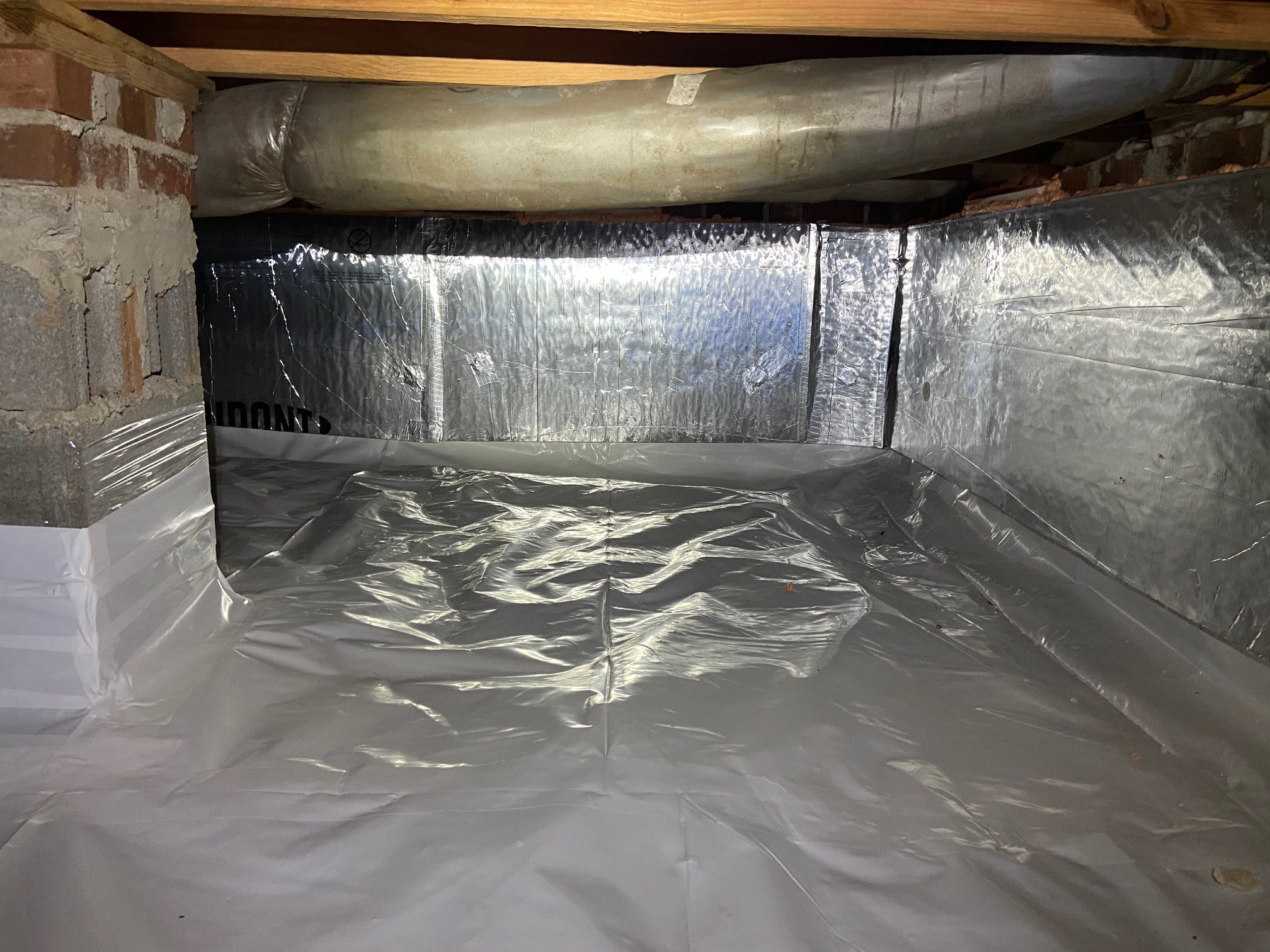
What’s Included in a LiveGreen Encapsulation System
- Heavy-duty vapor barrier liner — A thick, reinforced poly liner covers the crawl space floor and walls, completely blocking ground moisture from entering the space.
- Foundation vent sealing — Existing vents are sealed to prevent humid outside air from entering. This is the single biggest change from old vented-crawl-space thinking.
- Drainage and sump solutions — Where groundwater intrusion is present, interior drainage channels and a sump pump system are installed to actively remove water.
- Dehumidification — A crawl space dehumidifier keeps humidity at safe levels and prevents any residual moisture from building up inside the sealed space.
- Insulation — Rigid foam or spray foam insulation on the foundation walls keeps temperatures stable and your floors warm in winter.
Preserving Oakwood’s Historic Character — From the Ground Up
Homeowners who invest in preserving Oakwood’s historic homes spend significant money on restoration — original millwork, restored hardwood floors, period-appropriate paint schemes. Crawl space encapsulation is, in many ways, the most important preservation investment you can make, because it directly protects all of those surface improvements from the moisture damage occurring underneath.
Rotting floor joists will eventually buckle the hardwood floors above them. Chronic moisture will warp original woodwork and accelerate paint failure on interior walls. A sealed, dry crawl space is foundational — literally — to everything else you’re doing to maintain your home.
And when it comes time to sell, a sealed crawl space is an increasingly expected feature among buyers in Raleigh’s competitive real estate market. Home inspectors flag open, vented crawl spaces as a concern. Buyers notice. Having a professionally encapsulated crawl space with documentation from LiveGreen Inc is a concrete selling point that protects your asking price.
“A sealed crawl space is a favorable feature when selling your home — and in a neighborhood like Oakwood, where buyers expect quality, it matters even more.”
Radon: The Hidden Concern in Older Raleigh Homes
There’s one more reason Oakwood homeowners should pay attention to what’s happening beneath their floors: radon gas. Radon is a naturally occurring radioactive gas that forms from the decay of uranium in soil and rock. It enters homes through foundation cracks and open crawl spaces — and it’s the second leading cause of lung cancer in the United States after smoking.
Wake County has measurable radon levels, and older homes with open crawl spaces are among the most vulnerable entry points. The good news: a properly sealed crawl space significantly reduces radon infiltration, and LiveGreen also offers professional radon testing and mitigation services. We can test your home, assess your risk, and integrate radon mitigation into your encapsulation project if needed.
Is Your Oakwood Home’s Crawl Space Protected?
LiveGreen Inc offers free crawl space assessments for homeowners throughout Raleigh. We’ll inspect what’s underneath, explain exactly what we find, and give you a no-pressure quote.
Get Your Free Quote →Prefer to talk to someone directly? Call us today for a free crawl space assessment — no pressure, no obligation.
(919) 453-6411Frequently Asked Questions
Answers to common questions from Historic Oakwood & Raleigh homeowners
It’s never too late. In fact, older homes benefit the most from encapsulation because they’ve typically had decades of unaddressed moisture exposure. Before encapsulating, we assess the condition of your floor joists, beams, and foundation walls. If there’s existing wood rot or structural damage, we’ll flag it and recommend remediation first. Once that’s addressed, a full encapsulation system will stop further deterioration and protect your home for decades to come. Many of our most satisfying projects have been in historic Raleigh neighborhoods exactly like Oakwood.
Not at all — encapsulation work happens entirely beneath your home in the crawl space. Nothing visible inside your house is altered. In fact, by eliminating the moisture that warps hardwood floors, buckles trim, and drives musty odors into living spaces, encapsulation actively helps preserve the original interior features that make Oakwood homes so special. Think of it as protecting your investment from below.
Crawl space encapsulation is subsurface work and generally does not require approval from Raleigh’s Historic Development Commission (HDC), which focuses on exterior alterations visible from the street. That said, permit requirements can vary depending on scope — if drainage or structural work is involved, a standard building permit may be needed. LiveGreen handles all permitting as part of our project process, so you don’t have to navigate that on your own. We’re experienced working in Raleigh’s historic districts and know what’s required.
Almost certainly, yes. Musty odors in older Raleigh homes are one of the most reliable indicators of a damp, unencapsulated crawl space. Because air naturally moves upward from the crawl space into living areas — what building scientists call the “stack effect” — mold spores, damp air, and earthy odors travel up through gaps in your subfloor and into the rooms above. Many homeowners have lived with the smell for so long they assume it’s just “how old houses smell.” It isn’t — and it doesn’t have to be. After encapsulation, the musty smell typically disappears within weeks.
Raleigh sits in a humid subtropical climate zone — which means hot, humid summers, mild but damp winters, and a long shoulder season where ground-level moisture is almost constant. From roughly April through October, outdoor relative humidity regularly exceeds 70–80%. When that air enters a vented crawl space, it condenses on cooler surfaces inside. Unlike drier climates where vented crawl spaces can actually work as intended, in the Triangle they become moisture traps. North Carolina’s clay-heavy piedmont soil also retains water longer than sandier soils, keeping ground moisture levels high even during dry spells. It’s a combination that makes encapsulation not just a nice-to-have — but a genuine necessity for long-term home health in the Raleigh area.
Wake County has documented radon levels that warrant attention, particularly in homes with open crawl spaces or basement foundations. Radon enters through soil contact — exactly the kind of unprotected ground exposure that an unencapsulated crawl space provides. While radon levels vary significantly from house to house (even on the same street), older homes near central Raleigh with original foundation construction tend to have more entry points. LiveGreen offers professional radon testing — we recommend every Oakwood homeowner get a baseline test, especially if you haven’t had one done in the last two years. If levels are elevated, radon mitigation can be integrated directly into an encapsulation project.
Cost varies based on the size of your crawl space, its current condition, and which components are needed (vapor barrier only, full drainage system, dehumidifier, insulation, etc.). For a typical Oakwood home, encapsulation projects range from a few thousand dollars for a basic vapor barrier install to more comprehensive systems for larger or more damaged crawl spaces. LiveGreen offers free on-site assessments — we’ll measure your space, identify any existing issues, and give you an exact, itemized quote with no obligation. We believe in transparent pricing and will explain every line item.
What Raleigh Homeowners Are Saying
