

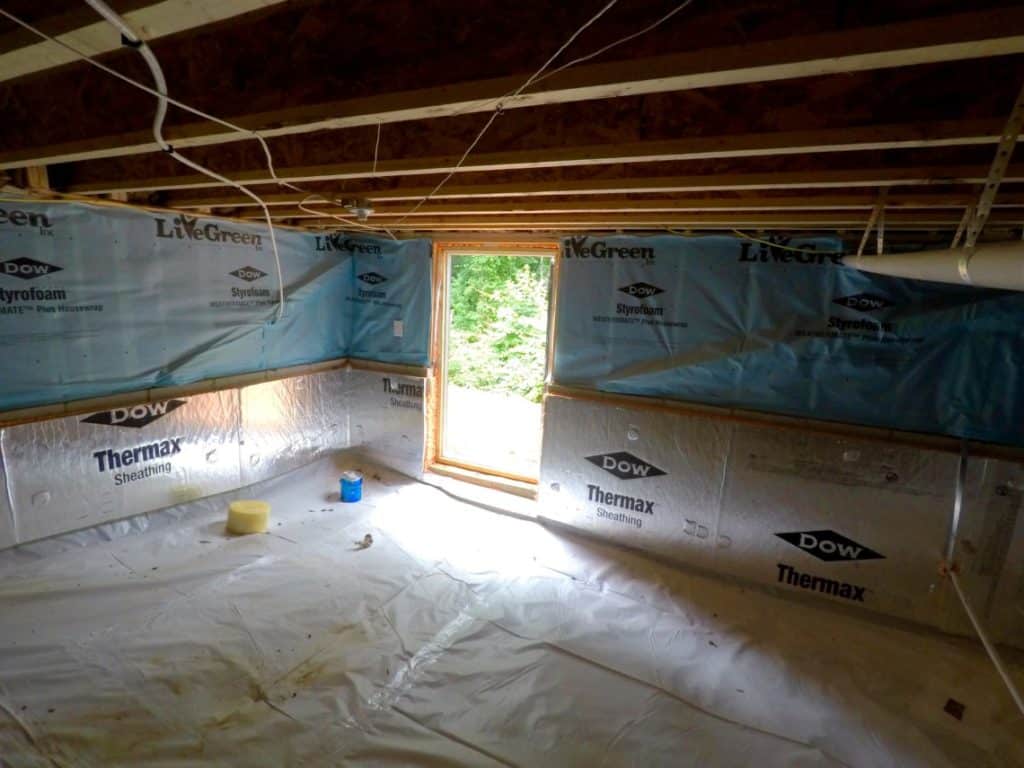
Garner's crawl spaces take the most damage between late June and September, and most homeowners never see it happen. Whether you're in one of the established neighborhoods off Main Street, closer to Lake Benson Park, or in a newer subdivision near the US-70/I-40 interchange, a full Piedmont summer of humidity has already worked its way under your floor — and you can't see any of it from upstairs.
This guide covers what actually happens down there, the signs that tell you it's already started, and what to do about it whether your home is brand new or older than the Big Branch Greenway.
"You don't smell a crawl space problem in January. You smell it in August — and by then it's usually been building since May."
Why Summer Is When Garner Crawl Spaces Get Hit Hardest
North Carolina's Piedmont summers combine high heat with high humidity, and that humid outdoor air doesn't stop at your foundation. In a vented crawl space, it flows straight in through the foundation vents, hits the cooler air near the ground, and condenses, exactly the way a cold glass of tea sweats on a July afternoon.
That condensation lands on floor joists, subfloor sheathing, and any insulation hanging between them. Add in Garner's clay-heavy Piedmont soil, which holds groundwater and releases it as vapor straight through an unsealed crawl space floor, and you've got moisture coming from two directions at once, all summer long.
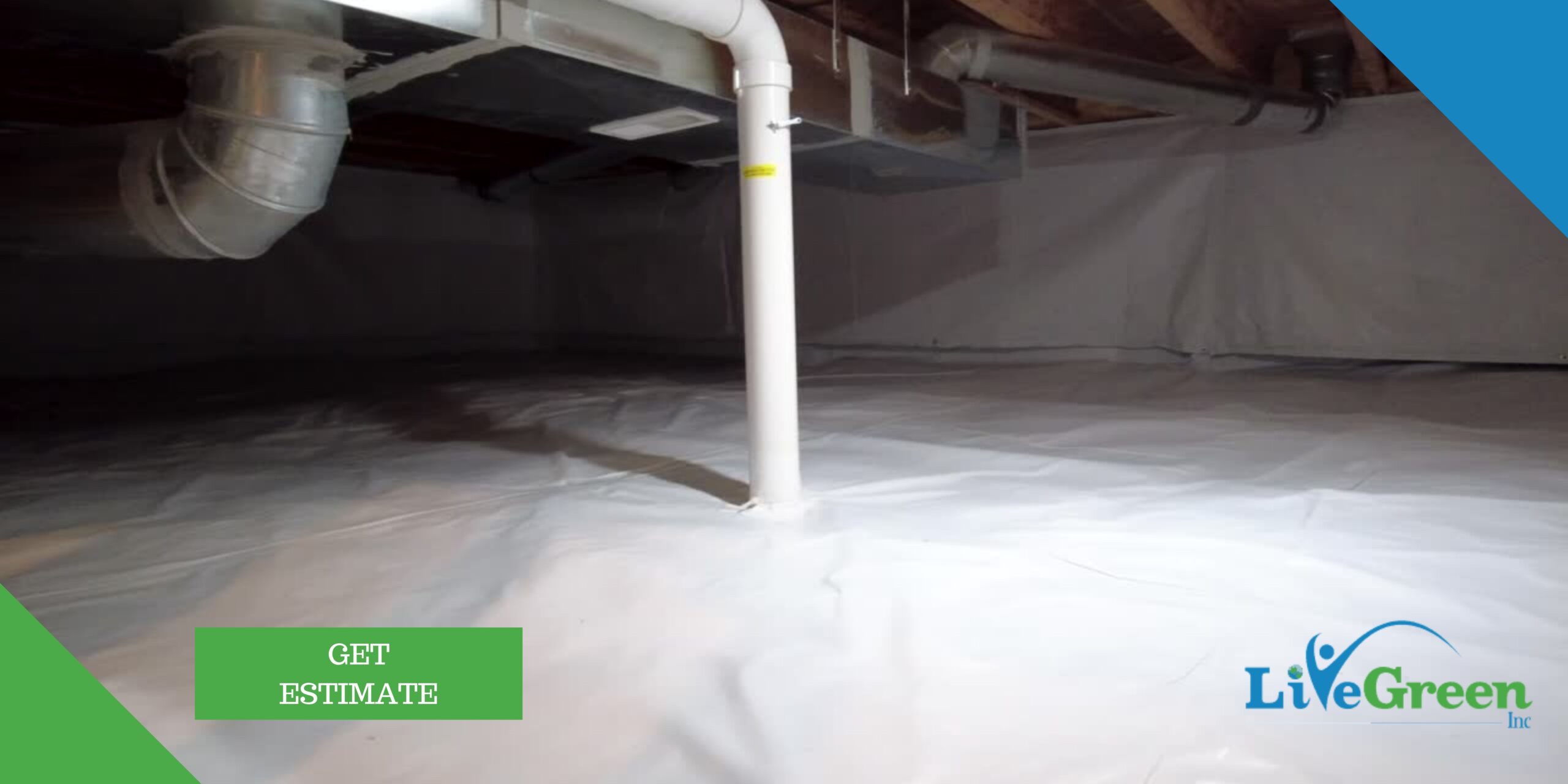
Sealing the foundation vents stops the humid summer air at the source, instead of letting it condense inside the crawl space all season.
The Warning Signs to Check For Right Now
You don't need to be a contractor to catch most of these. A flashlight and five minutes at the crawl space access door will tell you a lot.
Signs Your Crawl Space Already Has a Moisture Problem
- Musty smell in the house — especially noticeable when the HVAC first kicks on, or strongest in rooms directly above the crawl space.
- Black or gray spotting on the floor joists or the underside of the subfloor sheathing.
- Sagging or damp insulation hanging loose between the joists instead of sitting snug.
- Standing water or dark staining on the vapor barrier or bare dirt floor.
- Higher-than-normal indoor humidity, especially through the warmer months even with the AC running consistently.
- Warped or cupping hardwood floors directly above the crawl space, a later-stage sign the moisture has been present for a while.
Older Home or New Build — Both Are at Risk, for Different Reasons
Garner has a mix of established, older neighborhoods and newer construction filling in near the growth corridors, and we get called out to both types for the same underlying issue.
"My house is older, so whatever crawl space issue exists has probably already been dealt with."
Many older Garner homes still have the original, unsealed vapor barrier or none at all. Decades of humid summers without encapsulation usually means more accumulated damage, not less.
"My house is new construction, so the crawl space is already protected."
New homes meet code, which requires only a thin vapor barrier and vents — not sealed vents or a heavy-duty liner. New construction is unprotected against summer humidity in exactly the same way older homes are.
What Full Encapsulation Actually Fixes
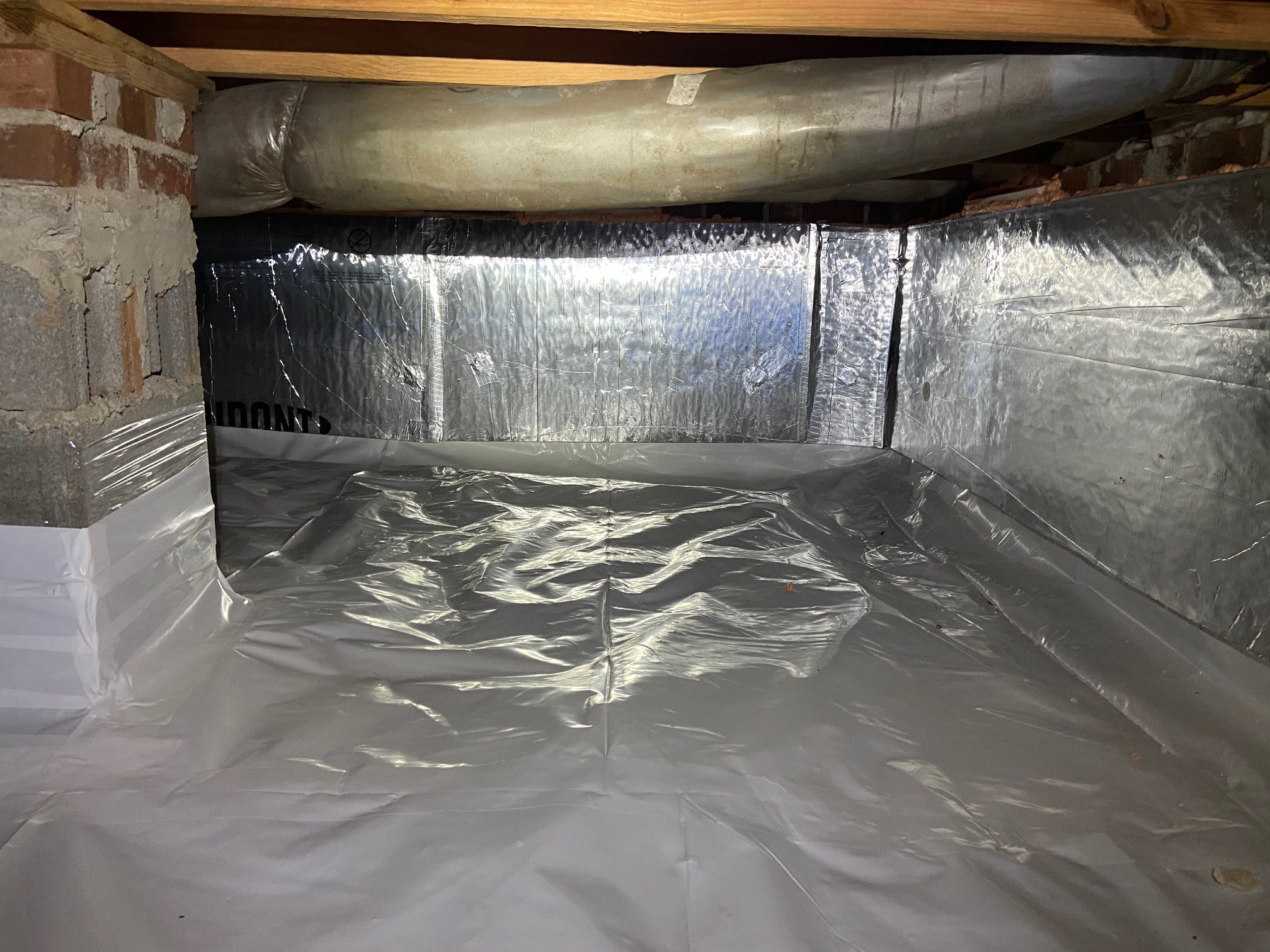
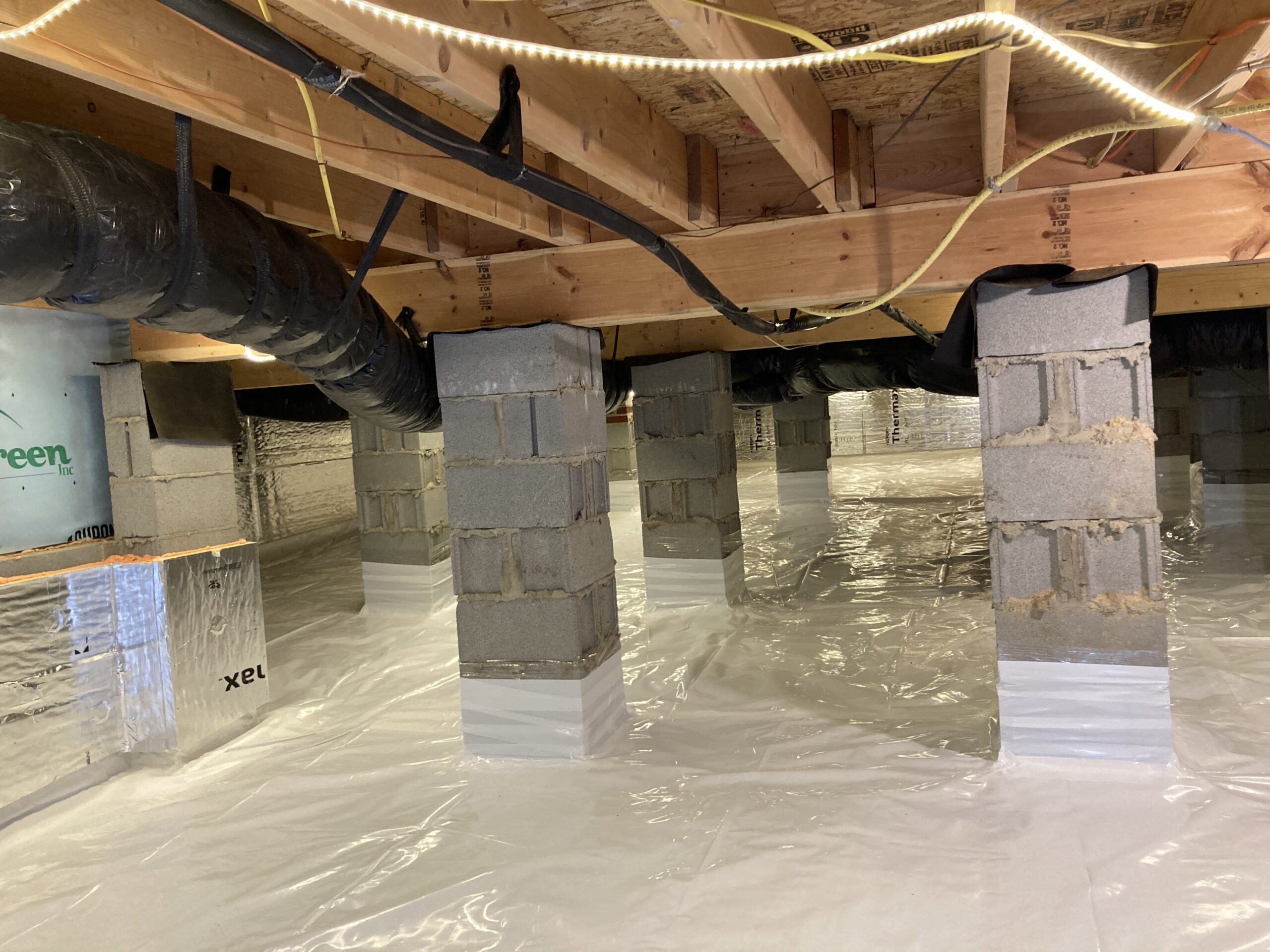
A LiveGreen encapsulation system addresses both moisture pathways at once, so the fix isn't seasonal — it works the same in August as it does in January.
What a Full Encapsulation System Includes
- Heavy-duty reinforced vapor barrier — seals the ground with a liner built to resist puncture and long-term vapor transmission.
- Foundation vent sealing — stops humid summer air from entering the crawl space in the first place.
- Sealed penetrations and seams — closes off plumbing, HVAC, and electrical openings through the subfloor.
- Crawl space dehumidifier — actively manages humidity year-round, not just during the worst summer weeks.
- Foundation wall insulation — brings the crawl space into your home's thermal envelope for better floor comfort and lower HVAC costs.
- Drainage solutions where needed — a perimeter drain and sump pump for lots with active groundwater issues.
Don't Wait for the Smell to Get Worse
By the time a musty smell is noticeable throughout the house, moisture has usually had a full season or more to work on the wood and insulation underneath your floor. A summer's worth of humidity doesn't reverse itself once the weather cools — it sits there and keeps working. Catching it now keeps the fix simpler and the cost lower whether your Garner home is five years old or fifty.
Find Out What This Summer Left in Your Garner Crawl Space
LiveGreen Inc offers free on-site crawl space assessments for homeowners throughout Garner and the rest of Wake County. We'll show you exactly what we find.
Get Your Free Quote →Prefer to talk to someone directly? Call us today for a free crawl space assessment — no pressure, no obligation.
(919) 453-6411Frequently Asked Questions
Answers to common questions from Garner homeowners
Humid outdoor air flowing into a vented crawl space condenses when it meets the cooler air near the ground, similar to condensation on a cold glass. That condensation, combined with soil vapor coming up through an unsealed floor, peaks during the Piedmont's hottest, most humid months, roughly May through September.
Older barriers degrade over time, develop tears, or were never installed to current standards in the first place. Signs like standing water, dark staining, or a musty smell mean it's worth having it inspected. A free assessment will tell you exactly what condition it's in.
New homes meet North Carolina's building code, which requires a basic vapor barrier and either vents or mechanical ventilation, not sealed vents or a heavy-duty liner. New construction is exposed to the same summer humidity as older homes until it's fully encapsulated.
A standalone dehumidifier working against open, unsealed vents is fighting a losing battle, since humid air keeps entering as fast as the unit can remove moisture. Sealing the vents and the ground first, then adding a dehumidifier, is what actually controls humidity long-term.
Light surface spotting on joists can sometimes be addressed as part of a standard encapsulation project. Extensive growth, structural staining, or a strong ongoing odor usually means a larger moisture source needs to be identified and fixed first. Our free inspection will tell you which situation you're in.
We serve Garner regularly as part of our greater Raleigh service area, and inspection scheduling depends on current demand, which tends to pick up from summer through early fall. Call us at (919) 453-6411 and we'll get you on the calendar as soon as possible.
Cost depends on your crawl space's square footage, current condition, and which components your specific home needs, from a straightforward new-construction job to an older crawl space needing remediation first. LiveGreen provides free on-site quotes with full transparency and no pressure to add services you don't need.
What Garner Homeowners Are Saying
Where We Serve
Based at 5001 Old Poole Road, Raleigh, NC 27610 — serving homeowners throughout Wake County and the greater Triangle.
(919) 453-6411 · Mon–Fri 7:00 AM–5:00 PM
